
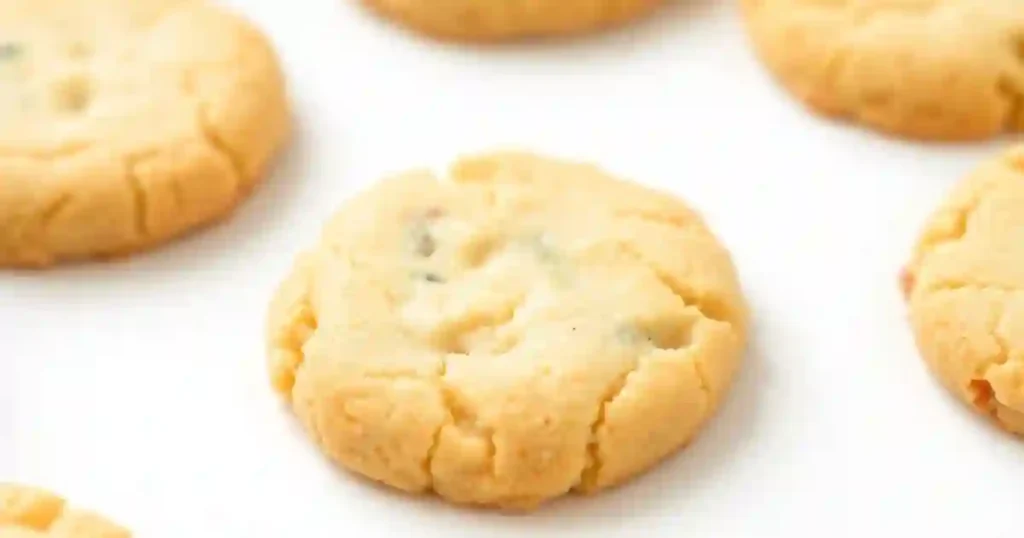
If you are searching for a melt in your mouth shortbread recipe that is truly soft, buttery, and foolproof, you are in the right place. This is the kind of classic shortbread recipe that feels almost too simple to work. Three ingredients. One bowl. No eggs. And yet the result is a buttery shortbread cookie that literally dissolves on your tongue.
Let’s be honest. We have all tried a shortbread cookie that was either too hard, too crumbly, or oddly dry. It looked perfect but felt disappointing. This melt in your mouth shortbread fixes that. The texture is tender but structured. Rich but not greasy. Crisp at the edges yet soft in the center.
This recipe is ideal for beginner bakers, holiday cookie trays, afternoon tea, or those quiet evenings when you just want something homemade without turning your kitchen upside down. You will learn not only how to make melt in your mouth shortbread, but why it works, how to avoid common mistakes, and how to customize it confidently.
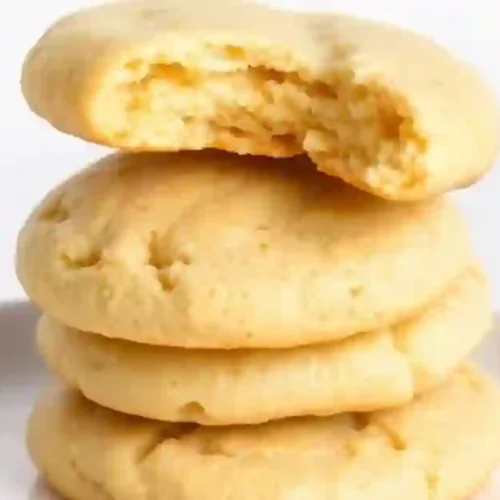
Melt in Your Mouth Shortbread

Ingredients
Shortbread Base
- 1 cup unsalted butter softened
- 1/2 cup powdered sugar
- 2 cups all purpose flour
Instructions
- Cream the softened butter and powdered sugar together until light and smooth using a hand or stand mixer.
- Gradually add the flour and mix just until combined. Do not overmix. The dough should be soft but not sticky.
- Shape the dough into a disk or roll it. Press into a pan or shape individual cookies as desired.
- Chill the dough for at least 30 minutes to prevent spreading and improve texture.
- Preheat oven to 325°F (163°C). Line a baking sheet with parchment paper.
- Bake the cookies for 18–22 minutes until edges are lightly golden.
- Allow the cookies to cool completely on the baking sheet before moving. Shortbread firms as it cools.
Notes
Table of Contents
Table of Contents
Why You’ll Love This Melt in Your Mouth Shortbread Recipe
- Quick and Easy. Only three simple ingredients and one bowl. No complicated steps, no fancy equipment.
- Simple Pantry Staples. Butter, powdered sugar, and flour. That’s it. You probably have everything already.
- Perfect for Any Occasion. Ideal for holiday cookie trays, afternoon tea, edible gifts, or last minute guests.
- Unbelievably Tender Texture. This melt in your mouth shortbread uses powdered sugar and a gentle mixing method for an ultra soft crumb.
- Eggless and Foolproof. No eggs means less risk of overworking the dough and a naturally delicate bite.
What makes this version stand out from other classic shortbread recipes is the balance of technique and restraint. The lower baking temperature, proper butter creaming, and mandatory chill time create buttery shortbread cookies that are rich without being greasy and tender without crumbling apart.
There is also something emotionally comforting about homemade shortbread. The smell alone feels nostalgic. It reminds many people of holidays, family kitchens, or slow weekends. And when you serve these melt in your mouth shortbread cookies to guests, they taste like you put in far more effort than you actually did.
Ingredients for Melt in Your Mouth Shortbread
This melt in your mouth shortbread recipe uses only three basic ingredients, but each one plays a critical role in achieving that signature delicate crumb.
- 1 cup unsalted butter, softened
- 1 half cup powdered sugar
- 2 cups all purpose flour
That is it. No eggs. No baking powder. No complicated steps.
Why These Ingredients Matter
Butter is the backbone of any classic shortbread recipe. Use high quality unsalted butter for the best buttery shortbread cookies. The fat content directly impacts texture. European style butter, which has slightly higher fat content, can make the melt away texture even more noticeable.
Powdered sugar is not just for sweetness. It creates a finer crumb compared to granulated sugar. That smooth texture is one of the secrets behind truly soft shortbread cookies.
All purpose flour provides structure. Too much flour and your homemade shortbread will feel dry. Too little and the cookies may spread. Measuring accurately matters here.
How to Make Melt in Your Mouth Shortbread
Making melt in your mouth shortbread is surprisingly simple, but small technique details make a big difference.
- Cream the butter and powdered sugar together until light and smooth. Do not rush this step. Proper creaming helps create that delicate texture.
- Add the flour gradually and mix just until combined. The dough should look soft but not sticky.
- Shape the dough into a disk or roll. You can press it into a pan or shape individual cookies.
- Chill the dough for at least 30 minutes. This prevents spreading and improves texture.
- Bake at 325 degrees Fahrenheit for 18 to 22 minutes until the edges are lightly golden.
- Let the cookies cool completely before moving them. Shortbread firms up as it cools.
Visual Cues for Perfect Shortbread
Your buttery shortbread cookies should be pale with slightly golden edges. If they brown too much, they may become crisp instead of tender.
Why This Melt in Your Mouth Shortbread Works
Here is the science behind the texture.
Shortbread contains no leavening agents. That means no baking soda and no baking powder. The structure comes from butter and flour alone. Because there are no eggs, there is less moisture and protein binding, which keeps the cookie tender instead of chewy.
Powdered sugar contains cornstarch, which contributes to the soft texture. It interrupts gluten development, making your eggless shortbread cookies delicate rather than tough.
The lower baking temperature also matters. Baking at 325 degrees Fahrenheit allows the cookies to cook evenly without excessive browning. The result is a classic shortbread cookie that feels light but rich.
Tips for Perfect Buttery Shortbread Cookies
Even simple recipes can go wrong. Here are practical tips that prevent frustration.
- Use softened butter, not melted butter
- Do not overmix after adding flour
- Chill the dough every time
- Cut cookies evenly for consistent baking
- Let them cool fully before storing
If your shortbread turns out too crumbly, you may have added too much flour. If it feels hard, it likely baked too long.
Actually, many people assume shortbread should be crunchy. That is not quite true. Traditional Scottish shortbread is tender and delicate, not crisp like a sugar cookie.
Shortbread Variations and Flavor Ideas
Once you master this melt in your mouth shortbread recipe, you can easily customize it.
- Add 1 teaspoon vanilla extract for vanilla shortbread
- Mix in lemon zest for a citrus twist
- Dip cooled cookies in melted chocolate
- Add a small amount of almond extract
- Stir in dried lavender for floral notes
- Replace some flour with cornstarch for extra tenderness
You can also press the dough into a square pan and slice into bars after baking.
Troubleshooting Melt in Your Mouth Shortbread
Even with an easy shortbread cookies recipe, small mistakes can affect the final result.
If cookies spread too much
Your butter may have been too warm. Chill longer before baking.
If cookies are dry
Too much flour or overbaking is usually the cause.
If cookies are too soft
They may need more baking time or longer cooling.
If the texture is sandy
The dough may not have been creamed enough at the beginning.
Baking is part science and part instinct. After a few batches, you will start recognizing the dough texture by feel alone.
Serving and Storage Tips
Serving melt in your mouth shortbread is about presentation and texture. Because these are simple cookies, small details elevate them beautifully.
For serving:
- Dust lightly with powdered sugar for a bakery style finish
- Dip half in melted dark chocolate for contrast
- Arrange on a white platter with fresh berries for color
- Serve alongside tea, coffee, or hot chocolate
- Stack in parchment paper bundles for gifting
If you are hosting, try warming them slightly at room temperature before serving. Shortbread tastes best when the butter is soft enough to deliver that melt away texture.
For storage:
- Store in an airtight container at room temperature for up to 7 days
- Keep layers separated with parchment paper to prevent sticking
- Freeze baked cookies for up to 2 months
- Freeze unbaked dough wrapped tightly and thaw in the refrigerator before baking
Avoid refrigeration for everyday storage unless your kitchen is very warm, as cold storage can slightly harden the texture.
Helpful Notes for Perfect Melt in Your Mouth Shortbread
Here are small details that can quietly make a big difference in your homemade shortbread results.
- Measure flour correctly by spooning it into the measuring cup and leveling it off
- If the dough feels too crumbly, press it together gently rather than adding liquid
- For extra tenderness, replace 2 tablespoons of flour with cornstarch
- If edges brown too quickly, reduce oven temperature slightly
- For thicker cookies, increase chill time before baking
You can also experiment with subtle flavor layering. A pinch of fine sea salt enhances sweetness. A small splash of vanilla extract adds warmth. Lemon zest brightens the richness of the butter.
And one more thing many people overlook: do not overbake. Shortbread should look pale when done. It firms as it cools. That patience is what gives you the true melt in your mouth shortbread texture.
Nutrition Information
Per cookie approximate values:
Calories: 140
Fat: 9 grams
Carbohydrates: 14 grams
Sugar: 5 grams
Protein: 1 gram
Values vary depending on exact ingredient brands.
Frequently Asked Questions
How long does melt in your mouth shortbread last?
Stored in an airtight container at room temperature, homemade shortbread stays fresh for up to one week. It can also be frozen for up to two months.
Can I freeze shortbread dough?
Yes. Wrap tightly and freeze for up to two months. Thaw in the refrigerator before baking.
What flour works best for classic shortbread?
All purpose flour works perfectly. Some traditional recipes use rice flour for added crispness, but it is optional.
Why is my shortbread not soft?
It may have been overmixed or overbaked. Precise measuring and lower oven temperature help maintain tenderness.
Can I Use Salted Butter Instead?
Yes, but reduce or skip added salt if your recipe includes it. Salted butter slightly changes the flavor balance, but it still works for this melt in your mouth shortbread recipe.
Why Do You Need to Chill Shortbread Dough?
Chilling solidifies the butter. When cold dough hits the oven, it spreads more slowly, which helps maintain shape and creates that soft crumb inside. Skipping this step often leads to flat cookies.
Can I Make Gluten Free Shortbread?
Yes. Use a 1 to 1 gluten free flour blend designed for baking. Texture may vary slightly, but the high butter content still creates a rich result.
What Makes Shortbread Melt in Your Mouth?
Melt in your mouth shortbread gets its texture from high butter content, fine sugar, minimal gluten development, and gentle baking. When balanced correctly, the cookie crumbles softly without feeling dry.
Conclusion
Melt in your mouth shortbread proves that simple ingredients can create something timeless. With just butter, powdered sugar, and flour, you get soft shortbread cookies that feel elegant enough for holidays but easy enough for a random Tuesday afternoon.
If you have been searching for a reliable melt in your mouth shortbread recipe that actually delivers on texture, this is the one to bookmark. Once you bake it, you might find yourself returning to it again and again, tweaking flavors, sharing batches, and quietly appreciating how something so basic can taste so extraordinary.
For delicious and easy recipes, follow me on my Facebook and Pinterest
