
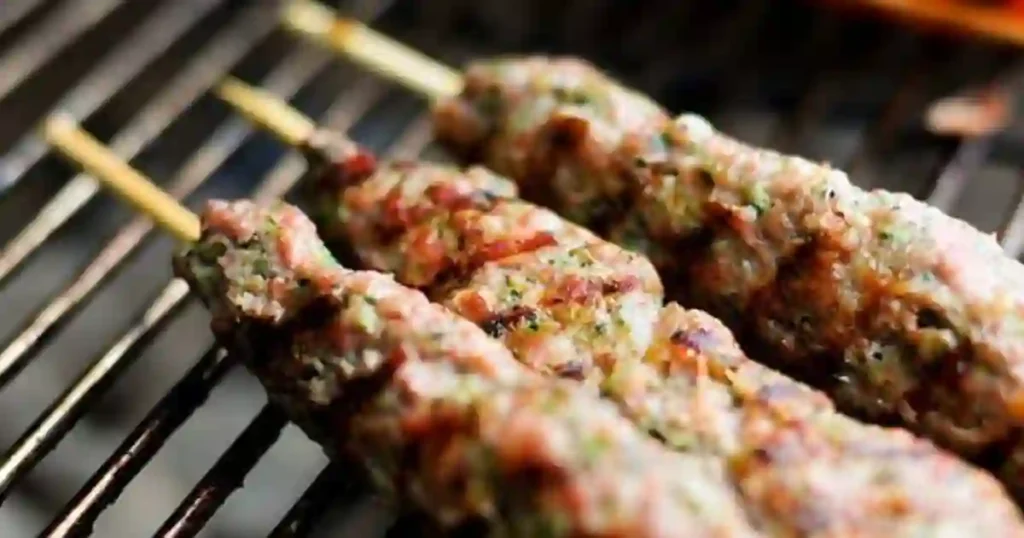
If you are searching for a Lebanese kafta recipe that actually tastes like something you would eat in Beirut instead of a bland meat patty pretending to be Middle Eastern, you are in the right place. This is the kind of Lebanese kafta recipe that fills the kitchen with the smell of parsley, warm spices, and sizzling beef, and suddenly everyone is hovering near the stove asking when dinner is ready.
Lebanese kafta is not just ground meat with seasoning. It is a classic Middle Eastern ground beef recipe built on balance. Fresh herbs. Grated onion for moisture. Allspice and cumin for warmth. When done right, kafta kebabs are juicy inside, lightly charred outside, and deeply aromatic without being heavy.
This recipe is ideal for busy families, meal preppers, or anyone who wants a reliable grilled kafta that works on the barbecue, stovetop, or even in the oven. By the end, you will know exactly how to make kafta that does not fall apart, does not dry out, and actually tastes authentic.
Lebanese kafta is a traditional Middle Eastern dish made from ground beef or lamb mixed with parsley, onion, garlic, and warm spices such as allspice and cumin. It is shaped into patties or skewers and grilled or pan cooked until juicy and lightly charred.
Authentic Lebanese Kafta

Ingredients
Kafta Mixture
- 1 lb ground beef or lamb 80% lean recommended
- 1 small onion finely grated
- 1 cup fresh parsley finely chopped
- 3 cloves garlic minced
- 1 teaspoon ground cumin
- 1 teaspoon ground allspice
- 1 teaspoon salt
- 1/2 teaspoon black pepper
- 1 tablespoon olive oil
Instructions
- In a large mixing bowl, combine the ground beef or lamb, finely grated onion, chopped parsley, minced garlic, cumin, allspice, salt, and black pepper.
- Mix gently with your hands until just combined. Avoid overmixing to prevent a dense texture.
- Let the mixture rest for 10–15 minutes to allow the flavors to meld and moisture to distribute evenly.
- Shape the mixture into oval patties about 1 inch thick or form log shapes around skewers for traditional kafta kebabs. Press firmly enough so they hold together without compacting too tightly.
- Preheat a grill or skillet over medium-high heat and lightly oil the surface. Cook kafta for 4–5 minutes per side until lightly charred and cooked through to an internal temperature of 160°F (71°C) for beef.
- If baking, preheat oven to 400°F (200°C) and bake for 15–18 minutes. Broil for 1–2 minutes at the end for additional browning if desired.
- Remove from heat and let rest for a few minutes before serving. Serve warm with pita, rice, or fresh salad.
Notes
Table of Contents
Table of Contents
Why You’ll Love This Lebanese Kafta Recipe
- Quick and easy. From mixing to serving, this Lebanese kafta recipe is ready in about 25 minutes, making it perfect for busy weeknights.
- Simple, real ingredients. No fillers, no breadcrumbs, no complicated steps. Just fresh parsley, grated onion, quality meat, and warm spices.
- Perfect for gatherings. Whether you are hosting a backyard barbecue or a casual dinner, kafta kebabs feel impressive without being stressful.
- Unbelievably juicy. The grated onion technique keeps the meat tender and flavorful, unlike many dry versions you may have tried.
- Authentic flavor balance. The mix of cumin and allspice creates that unmistakable Middle Eastern depth without overpowering the fresh herbs.
What truly sets this Lebanese kafta recipe apart is the moisture control and spice ratio. Many versions either overload spices or skimp on herbs. This one focuses on balance. The result is a grilled kafta that tastes vibrant, not heavy.
And emotionally? There is something deeply satisfying about serving a platter of freshly cooked kafta with warm pita and salad. It feels generous. Comforting. The kind of meal people remember and quietly hope you make again.
Ingredients for Lebanese Kafta Recipe
The secret to a truly authentic Lebanese kafta recipe is not complexity. It is proportion. Too much spice and it tastes muddy. Too little parsley and it tastes flat. Let’s break it down.
Ingredients:
- 1 lb ground beef or lamb, ideally 80 percent lean
- 1 small onion, finely grated
- 1 cup fresh parsley, finely chopped
- 3 cloves garlic, minced
- 1 teaspoon ground cumin
- 1 teaspoon ground allspice
- 1 teaspoon salt
- 1 half teaspoon black pepper
- 1 tablespoon olive oil
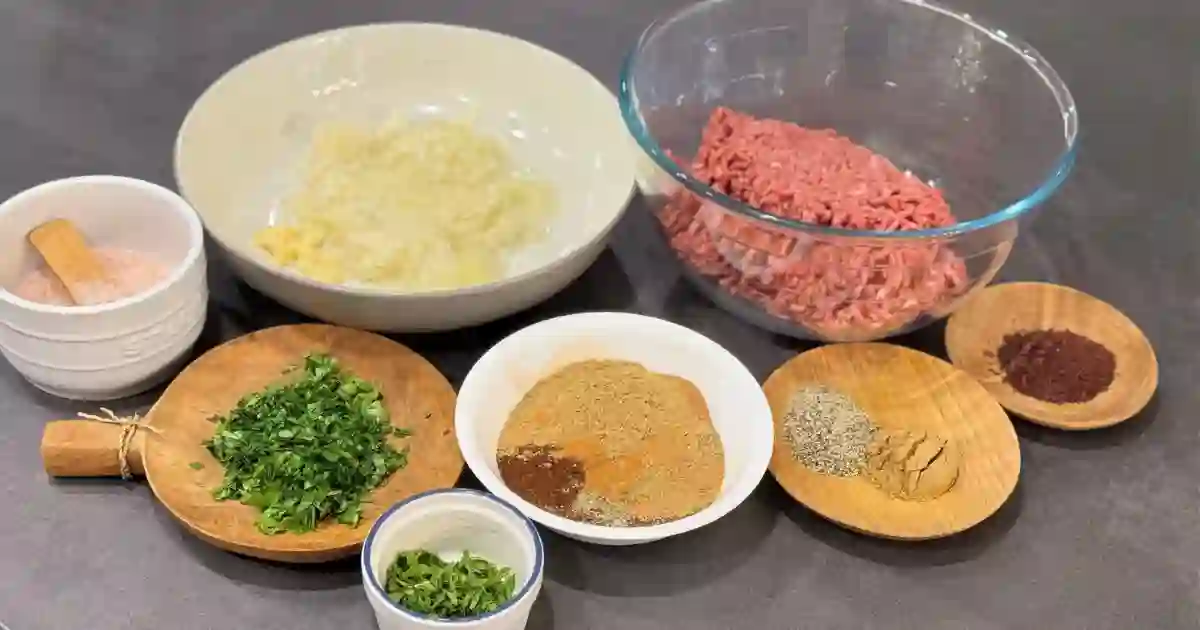
The grated onion is not optional. It releases moisture into the meat mixture, which keeps the Lebanese kofta tender during grilling. Many people skip this step and then wonder why their kafta turns dry.
Why the Meat Ratio Matters
For the best Lebanese kafta recipe, use ground meat with some fat content. Lean meat sounds healthy, but it often leads to dry kafta kebabs. An 80 percent lean blend gives you structure and juiciness. If using lamb, you may even find it naturally richer.
Can I use only beef for Lebanese kafta Recipe?
Yes. Traditional Lebanese kafta is often made with beef, lamb, or a mix of both. Beef is more common in many homes and works perfectly as long as it is not too lean.
This section covers the essential kafta ingredients and ensures you understand why each component matters for flavor and texture.
How to Make Lebanese Kafta Step by Step
Making a Lebanese kafta recipe is surprisingly simple, but small details make a big difference. The texture, the shaping, even how tightly you press the meat can affect the final result. If your kafta has ever fallen apart or turned rubbery, chances are the mixing or cooking method was slightly off.
First, combine the ground beef or lamb, grated onion, parsley, garlic, cumin, allspice, salt, and pepper in a large bowl. Use your hands. Yes, it is messy, but it ensures everything blends evenly. Mix just until combined. Overmixing compresses the meat and makes the kafta dense.
Let the mixture rest for 10 to 15 minutes. This small pause allows the flavors to settle and the onion moisture to distribute evenly through the meat. It sounds minor, but it improves the final texture.
Shape the mixture into either:
- Oval patties about 1 inch thick
- Log shapes around skewers for classic kafta kebabs
Press firmly enough so they hold together, but do not compact them too tightly.
Cook on a preheated grill or skillet over medium high heat for about 4 to 5 minutes per side. The outside should develop a light char while the inside stays juicy. Internal temperature should reach 160°F for beef.
Grill vs Oven vs Pan for Lebanese Kafta
Each method works, depending on your kitchen setup.
- Grill gives the most authentic smoky flavor
- Stovetop skillet offers great browning and control
- Oven baking at 400°F for 15 to 18 minutes works for larger batches
If baking, you can broil for the final 2 minutes to get that caramelized finish.
Why does my Lebanese kafta fall apart?
Kafta usually falls apart due to too much moisture or insufficient mixing. Make sure the onion is finely grated, not chunky, and press the meat firmly when shaping. Resting the mixture also helps it bind naturally.
This section fully explains how to make kafta using different cooking methods while preventing common mistakes.
Tips for Perfect Juicy Lebanese Kafta Recipe
There is a reason some Lebanese kafta recipes taste incredible while others feel dry and forgettable. The difference is usually technique, not ingredients.
First, do not skip the parsley. Lebanese kafta is herb forward. The green flecks are not decoration. They are part of the flavor structure. Without enough parsley, the meat can taste heavy.
Second, avoid pressing down on the kafta while cooking. It is tempting. Everyone does it. But pressing releases juices and dries the meat. Let the heat do the work.
Third, cook over medium high heat. Too low and the kafta steams instead of browns. Too high and it burns before cooking through.
Helpful reminders:
- Use fresh parsley, not dried
- Grate onion instead of chopping
- Allow resting time before cooking
- Avoid overcooking
How do I keep Lebanese kafta from drying out?
Use meat with some fat content and avoid overcooking. Remove the kafta once it reaches safe temperature. Rest it for a few minutes before serving to retain juices.
Mastering these small adjustments turns a simple Middle Eastern ground beef recipe into something deeply satisfying.
Variations and Substitutions for Lebanese Kafta Recipe
One of the best things about a Lebanese kafta recipe is flexibility. Once you understand the base formula, you can adapt it easily.
You can use:
- Ground lamb for richer flavor
- A beef and lamb mix for balance
- Ground chicken for a lighter version
For a low carb meal, serve the kafta without pita and pair with salad and tahini sauce. This recipe is naturally gluten free and dairy free.
Air Fryer Lebanese Kafta Recipe
Preheat air fryer to 375°F. Cook kafta for about 10 to 12 minutes, flipping halfway. The result is slightly less smoky than grilling but still juicy and flavorful.
Can I bake Lebanese kafta instead of grilling?
Yes. Bake at 400°F for 15 to 18 minutes until fully cooked. Broil briefly for browning. Baking works well for meal prep and large gatherings.
This section expands the versatility of the Lebanese kofta while maintaining authentic flavor.
What to Serve with Lebanese Kafta
A Lebanese kafta recipe truly shines when paired with fresh and vibrant sides. The richness of the meat benefits from bright, acidic contrasts.
Classic serving ideas:
- Warm pita bread
- Rice pilaf
- Tabbouleh
- Fattoush salad
- Tahini sauce
- Garlic sauce known as toum
You can also build a kafta bowl with rice, chopped cucumber, tomato, red onion, and a drizzle of lemon tahini dressing.
What sauce goes best with Lebanese kafta?
Tahini sauce and garlic sauce are the most traditional pairings. Both add creaminess and balance the warm spices in the kafta.
Serving thoughtfully elevates grilled kafta from simple dinner to complete Lebanese feast.
Storage and Meal Prep for Lebanese Kafta
If you are making this Lebanese kafta recipe ahead of time, it stores beautifully.
Refrigerator: Store cooked kafta in an airtight container for up to 4 days.
Freezer: Freeze uncooked shaped patties on a tray, then transfer to freezer bag. They keep well for up to 3 months.
To reheat without drying:
- Use a covered skillet over low heat
- Add a splash of water to create steam
- Avoid microwaving for too long
Meal prep friendly, freezer friendly, and crowd friendly. Few Middle Eastern recipes check all those boxes.
Helpful Notes
If you want to perfect this Lebanese kafta recipe, keep these insights in mind:
- Finely grate the onion instead of chopping it. This distributes moisture evenly and prevents chunks that can cause the kafta to break.
- Do not overmix the meat. Mix just until combined to avoid a dense texture.
- Let the mixture rest for 10 to 15 minutes before shaping. This helps the flavors settle and improves structure.
- If grilling, lightly oil the grates to prevent sticking.
- For extra smoky flavor indoors, cook in a cast iron skillet over medium high heat.
Variation ideas:
- Add a pinch of cinnamon for subtle warmth.
- Mix beef and lamb for a richer, more traditional Lebanese flavor.
- Shape into mini patties for party appetizers.
These small adjustments can elevate a simple Middle Eastern ground beef recipe into something truly restaurant worthy.
Nutrition Information for Lebanese Kafta Recipe
Approximate values per serving:
- Calories: 320
- Protein: 22g
- Fat: 24g
- Carbohydrates: 3g
Lebanese kafta is naturally high in protein and low in carbohydrates, especially when served without bread. It fits well into low carb and high protein meal plans.
This nutritional breakdown helps position the Lebanese kafta recipe as both flavorful and practical.
Conclusion
A truly good Lebanese kafta recipe is simple, but it feels special. It turns basic ingredients like ground beef, parsley, and spices into something deeply aromatic and comforting. Whether grilled outdoors, pan cooked on a weeknight, or baked for a gathering, Lebanese kafta delivers bold Middle Eastern flavor with minimal effort.
Once you understand the technique and balance of ingredients, you can adapt it confidently. And honestly, after making it once, you may find it becoming part of your regular rotation.
If you try this Lebanese kafta recipe, serve it with fresh salad, warm pita, and your favorite sauce. Then watch how quickly it disappears.
Frequently Asked Questions (FAQ)
What is the difference between kafta and kofta?
Kafta and kofta are variations of the same concept across Middle Eastern and Mediterranean cuisines. Lebanese kafta typically uses ground beef or lamb mixed with parsley, grated onion, garlic, and warm spices like allspice and cumin. Other kofta versions, such as Turkish or Indian styles, may include different spice blends, sauces, or binding agents. Lebanese kafta is usually grilled or pan cooked and served with pita, rice, and fresh salads.
Why does my Lebanese kafta fall apart when cooking?
Lebanese kafta usually falls apart due to excess moisture or improper mixing. Make sure the onion is finely grated and lightly squeezed if overly watery. Mix the meat just until combined and press firmly when shaping. Letting the mixture rest before cooking also helps it hold together better on the grill or skillet.
Can I bake Lebanese kafta instead of grilling it?
Yes, you can bake Lebanese kafta at 400°F for about 15 to 18 minutes until fully cooked. For better browning, broil for the last 1 to 2 minutes. While grilling provides a smoky flavor, baking is convenient for meal prep or cooking larger batches.
What is the best meat for an authentic Lebanese kafta recipe?
The best meat for Lebanese kafta is ground beef with about 20 percent fat or a mix of beef and lamb. The fat content keeps the kafta juicy and tender. Very lean meat can result in dry texture, especially when grilling.
Is Lebanese kafta healthy?
Yes, when prepared with balanced portions and fresh ingredients. It provides quality protein and herbs without processed fillers.
Can I freeze Lebanese kafta raw?
Yes. Freezing raw kafta preserves texture better than freezing after cooking. Thaw overnight in refrigerator before cooking.
For delicious and easy recipes, follow me on my Facebook and Pinterest
