
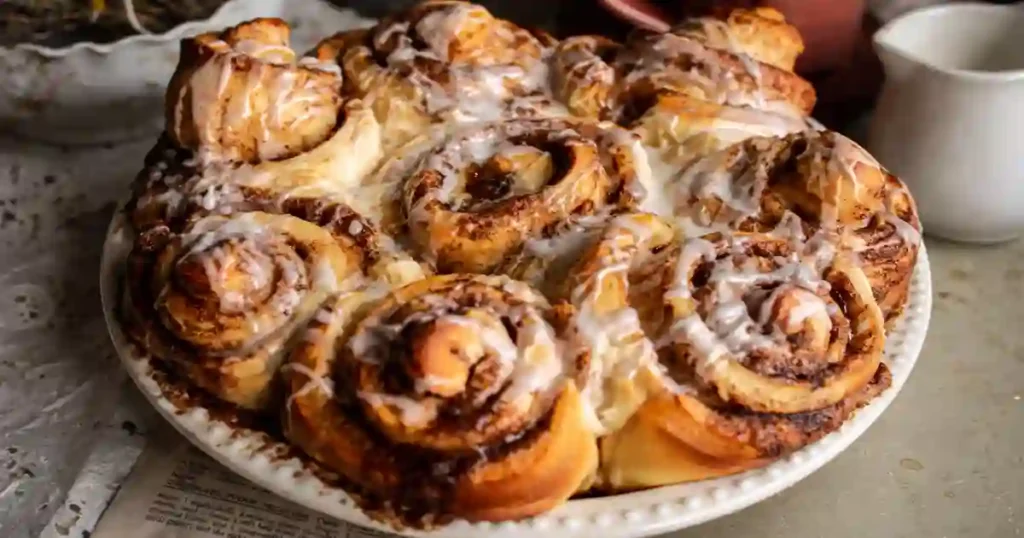
If you are searching for the best cinnamon rolls recipe, you probably want one thing: soft, fluffy rolls with a gooey cinnamon sugar center and thick cream cheese frosting that melts into every swirl. Not dry. Not dense. Not “almost good.” Actually bakery level.
There is something almost emotional about homemade cinnamon rolls. The smell alone feels like a weekend morning, maybe a holiday, maybe just a slow Sunday when nobody is rushing. And yet, if you have ever tried making a cinnamon rolls recipe from scratch, you know the fear. Will the dough rise? Will they turn out heavy? Will they taste like bread instead of soft cinnamon pastry?
This guide solves all of that. You will learn exactly how to make cinnamon rolls from scratch that are soft, fluffy, and rich, with clear steps, troubleshooting help, and make ahead options. Whether you are a beginner baker or someone who has tried and failed before, this cinnamon rolls recipe is structured to remove the guesswork and give you predictable results.
Quick Answer:
A soft cinnamon rolls recipe requires properly activated yeast, warm milk at the right temperature, enough butter for richness, and adequate rise time to develop gluten structure. When these elements are balanced, the rolls bake up fluffy, tender, and gooey in the center.
Soft and Fluffy Cinnamon Rolls with Cream Cheese Frosting

Ingredients
Dough
- 1 cup whole milk, warm (105–110°F)
- 2 1/4 teaspoons active dry yeast
- 1/2 cup granulated sugar
- 2 large eggs, room temperature
- 1/3 cup unsalted butter, melted
- 4 1/2 cups all-purpose flour start with 4 cups and add more as needed
- 1 teaspoon salt
Filling
- 2/3 cup brown sugar packed
- 1 1/2 tablespoons ground cinnamon
- 1/4 cup unsalted butter, softened
Cream Cheese Frosting
- 4 ounces cream cheese, softened
- 1/4 cup unsalted butter, softened
- 1 1/2 cups powdered sugar
- 1/2 teaspoon vanilla extract
Instructions
- In a large bowl, combine warm milk and granulated sugar. Sprinkle yeast over the top and let sit for 5–10 minutes until foamy.
- Add eggs and melted butter to the yeast mixture. Mix until combined. Gradually add flour and salt, mixing until a soft dough forms.
- Knead the dough for about 8 minutes by hand or 5 minutes with a stand mixer until smooth and elastic. The dough should be soft and slightly tacky but not sticky.
- Place dough in a greased bowl, cover, and let rise in a warm place for about 1 hour or until doubled in size.
- Punch down the dough and roll into a 14×18-inch rectangle. Spread softened butter evenly over the surface.
- Mix brown sugar and cinnamon together, then sprinkle evenly over the buttered dough.
- Roll the dough tightly from the long edge into a log. Slice into 12 even rolls using a sharp knife or unflavored dental floss.
- Place rolls in a greased 9×13-inch baking dish. Cover and let rise for 30–45 minutes until puffy.
- Bake at 350°F (175°C) for 20–25 minutes until lightly golden and centers are set (internal temperature about 190°F / 88°C). Avoid overbaking.
- Beat cream cheese, softened butter, powdered sugar, and vanilla extract until smooth. Spread frosting over warm rolls so it melts into the swirls. Serve warm.
Notes
Table of Contents
Table of Contents
Why You’ll Love This Cinnamon Rolls Recipe
- Quick and manageable for homemade dough, even if you are not a daily baker
- Simple pantry ingredients with no complicated techniques
- Perfect for holidays, brunch, birthdays, or slow Sunday mornings
- Crowd pleaser that feels bakery level but tastes even better fresh
- Unbelievably soft and fluffy texture with a gooey cinnamon sugar center
What makes this cinnamon rolls recipe stand out is the balance. It is rich without being heavy. Sweet without being overwhelming. The double rise builds flavor and structure, while the cream cheese frosting melts into the warm swirls instead of sitting on top like a sugary cap.
There is also something deeply satisfying about pulling a pan of golden cinnamon rolls out of the oven. The smell alone changes the mood of the room. Whether you are trying to impress guests or just want to treat your family, this recipe delivers that comforting, homemade feeling that store bought versions simply cannot match.
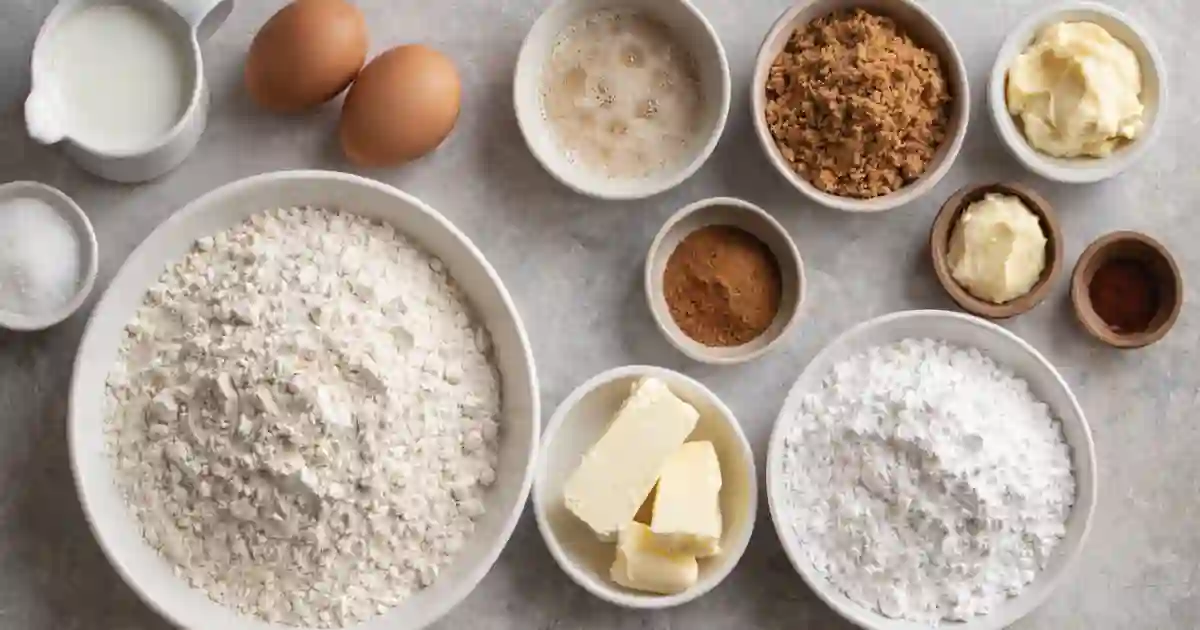
Ingredients for the Best Cinnamon Rolls Recipe
A great cinnamon rolls recipe starts with understanding what each ingredient actually does. Most people just follow the list. The difference between average and incredible rolls usually comes down to tiny details.
Dough Ingredients
- 1 cup warm whole milk
- 2 ¼ teaspoons active dry yeast
- ½ cup granulated sugar
- 2 large eggs, room temperature
- ⅓ cup unsalted butter, melted
- 4 to 4 ½ cups all purpose flour
- 1 teaspoon salt
Whole milk adds fat, which creates tenderness. The eggs enrich the dough and help with structure. Butter brings softness and flavor. Flour builds the gluten network that traps air during rising.
Filling Ingredients
- ⅔ cup brown sugar
- 1 ½ tablespoons ground cinnamon
- ¼ cup softened butter
Brown sugar melts into a caramel like layer while baking. The cinnamon provides warmth and depth. The butter allows the sugar to spread evenly and stay gooey.
Cream Cheese Frosting
- 4 ounces cream cheese, softened
- ¼ cup unsalted butter, softened
- 1 ½ cups powdered sugar
- ½ teaspoon vanilla extract
This frosting is rich but balanced. It melts slightly over warm rolls and seeps into the swirls, which is exactly what you want from a cinnamon rolls recipe.
Why do ingredients temperature matter in a cinnamon rolls recipe?
Yeast is sensitive. Milk that is too hot can kill it. Milk that is too cool will not activate it properly. Aim for warm, not hot. Around 105 to 110°F is ideal. Eggs and butter at room temperature blend more evenly into the dough, preventing dense spots.
How to Make Cinnamon Rolls from Scratch
Making this cinnamon rolls recipe from scratch might sound intimidating, but the process is actually straightforward once you understand the rhythm. It is less about perfection and more about paying attention to texture and timing.
Step 1 Activate the Yeast
In a large bowl, combine warm milk and sugar. Sprinkle the yeast over the top and let it sit for 5 to 10 minutes. It should become foamy. If nothing happens, the yeast may be inactive and you will need to start again.
This step is critical. Proper yeast activation ensures your cinnamon rolls rise and develop that fluffy interior everyone wants.
Step 2 Make the Dough
Add eggs and melted butter to the yeast mixture. Stir until combined. Gradually mix in flour and salt. Knead the dough for about 8 minutes by hand or 5 minutes in a stand mixer until smooth and slightly tacky but not sticky.
The dough should feel soft and elastic. If it sticks heavily to your hands, add flour one tablespoon at a time.
Place the dough in a greased bowl, cover, and let it rise in a warm area for about 1 hour or until doubled in size.
Step 3 Roll and Fill
Punch down the dough and roll it into a rectangle about 14 by 18 inches. Spread softened butter evenly across the surface. Combine brown sugar and cinnamon, then sprinkle it generously over the butter.
Roll the dough tightly from the long edge. Slice into 12 even rolls using a sharp knife or unflavored dental floss for clean cuts.
Place rolls into a greased baking dish, cover, and allow them to rise again for 30 to 45 minutes until puffy.
Step 4 Bake
Bake at 350°F for 20 to 25 minutes. The tops should be lightly golden. Do not overbake. Overbaking is one of the fastest ways to ruin a good cinnamon rolls recipe.
Spread cream cheese frosting over the rolls while they are still warm so it melts slightly into every swirl.
How do you know when cinnamon rolls are done baking?
The centers should be set but still soft. If you gently press the middle roll and it springs back slightly without feeling raw, they are ready. Internal temperature should reach about 190°F for fully baked dough.
Why This Cinnamon Rolls Recipe Turns Out Soft Every Time
A truly soft cinnamon rolls recipe is not luck. It is structure. When people say their rolls turned out dense or dry, it usually comes down to three things: underdeveloped gluten, inactive yeast, or not enough fat.
Gluten development matters because it forms the framework that traps air during rising. When you knead the dough properly, you create elasticity. That elasticity allows the dough to expand without collapsing. If you skip proper kneading, the cinnamon rolls may look fine before baking but feel heavy once cooled.
Fat is equally important. Butter and whole milk coat flour proteins and limit excessive gluten tightening. That balance is what creates tender texture instead of chewy bread. A good cinnamon rolls recipe always includes enough butter to keep the crumb soft but not greasy.
Temperature also plays a role. If your kitchen is cold, rising will take longer. If the dough rises too quickly in excessive heat, flavor development suffers. Patience often separates average cinnamon rolls from bakery style results.
The Science Behind Fluffy Cinnamon Rolls
Soft cinnamon rolls depend on:
- Proper yeast activation
- Adequate kneading time
- Enough rise time
- Correct baking temperature
- Avoiding overbaking
Overbaking is surprisingly common. Even five extra minutes can dry out the center.
What makes cinnamon rolls soft instead of dense?
Soft cinnamon rolls require balanced hydration, enough fat, and full proofing. If the dough doubles in size during both rises and is not overbaked, the interior will remain fluffy and tender.
Make Ahead Overnight and Freezing Instructions
One of the most common questions about a cinnamon rolls recipe is whether it can be prepared in advance. The answer is yes, and it actually makes life easier.
Overnight Cinnamon Rolls
After placing the sliced rolls in the baking dish, cover tightly and refrigerate overnight. The slow rise enhances flavor and convenience. In the morning, allow them to sit at room temperature for 30 to 45 minutes before baking.
This method is ideal for holidays, brunch gatherings, or when you want fresh cinnamon rolls without waking up at dawn.
Freezing Before Baking
You can freeze the unbaked rolls after shaping. Place them in a freezer safe container. When ready to bake, thaw overnight in the refrigerator and allow a second rise at room temperature before baking.
Freezing After Baking
Fully baked cinnamon rolls freeze well. Cool completely, wrap tightly, and freeze up to two months. Reheat gently in the oven at 300°F until warm.
Can you make cinnamon rolls the night before?
Yes. Refrigerating shaped rolls overnight allows a slow proof, improving flavor and texture. Just bring them to room temperature before baking for the best results.
Troubleshooting Cinnamon Rolls
Even a strong cinnamon rolls recipe can fail if small details are overlooked. Let us fix the most common problems.
Why are my cinnamon rolls dense?
Possible causes:
- Yeast was expired
- Milk was too hot and killed yeast
- Dough did not rise long enough
- Too much flour was added
Measure flour correctly by spooning and leveling instead of scooping directly from the bag.
Why are my cinnamon rolls dry?
Dry cinnamon rolls often result from:
- Overbaking
- Not enough butter
- Too much flour
- Frosting added after they fully cooled
Spread frosting while rolls are still warm so moisture locks in.
Why is the filling leaking out?
If the filling leaks excessively, the butter may have been too melted or the roll was not tight enough. Softened butter works better than fully melted butter in this cinnamon rolls recipe.
How long should cinnamon rolls rise?
The dough should double in size during the first rise, usually about 1 hour. After shaping, the second rise takes 30 to 45 minutes. Timing may vary based on kitchen temperature.
Variations and Substitutions
This cinnamon rolls recipe is flexible. Once you master the base dough, you can adapt it.
No Stand Mixer
You can knead by hand for 8 to 10 minutes. The dough should become smooth and elastic.
Whole Wheat Version
Replace up to 50 percent of the all purpose flour with whole wheat flour. Add 1 to 2 extra tablespoons of milk if needed to maintain softness.
Dairy Free Option
Use plant based milk, dairy free butter, and dairy free cream cheese for frosting. Texture may vary slightly but results remain soft.
Extra Gooey Version
Add ¼ cup heavy cream poured over the rolls before baking. This creates a softer, more indulgent center.
Can you make cinnamon rolls without cream cheese frosting?
Yes. A simple vanilla glaze made with powdered sugar, milk, and vanilla extract works well if you prefer a lighter topping.
Serving and Storage Tips
Serving Suggestions
Presentation can elevate your cinnamon rolls from simple breakfast to centerpiece.
- Serve warm with frosting slightly melted into the swirls
- Sprinkle a light dusting of cinnamon or powdered sugar on top
- Pair with fresh berries for contrast and color
- Add a small drizzle of caramel sauce for extra indulgence
- Serve with coffee or warm milk for classic comfort pairing
If serving guests, bake in a ceramic or cast iron dish and bring it straight to the table. The visual appeal of freshly baked cinnamon rolls often gets more compliments than you expect.
Storage and Reheating
Proper storage helps maintain the soft texture this cinnamon rolls recipe is known for.
- Store at room temperature in an airtight container for up to 2 days
- Refrigerate for up to 5 days if frosted with cream cheese frosting
- Freeze tightly wrapped rolls for up to 2 months
To reheat:
- Microwave individual rolls for 15 to 20 seconds
- Or warm in a 300°F oven for 8 to 10 minutes
For best results, add a small spoonful of milk over the top before reheating to restore moisture.
Helpful Notes
Sometimes small adjustments make a noticeable difference in your cinnamon rolls recipe results.
- If your kitchen is cold, let the dough rise inside an oven that has been turned off but slightly warmed beforehand
- Use unflavored dental floss to slice rolls cleanly without squishing the dough
- Do not overpack flour. Spoon and level for accurate measurement
- For extra flavor depth, add a pinch of nutmeg to the filling
- If the tops brown too quickly, loosely cover with foil during the last 5 minutes of baking
If your rolls turn out slightly dense the first time, do not get discouraged. Most texture issues come down to underproofing or too much flour. With minor adjustments, this cinnamon rolls recipe becomes surprisingly reliable.
Nutrition Information
Approximate per roll:
- Calories: 420
- Carbohydrates: 58g
- Fat: 18g
- Protein: 7g
- Sugar: 28g
Values vary depending on frosting thickness and portion size.
Frequently Asked Questions
Can I use instant yeast instead of active dry yeast?
Yes. Instant yeast can be mixed directly with the dry ingredients. You may reduce rise time slightly.
What is the best flour for cinnamon rolls?
All purpose flour works perfectly for a soft cinnamon rolls recipe. Bread flour creates slightly chewier texture.
Can I double this cinnamon rolls recipe?
Yes. Double all ingredients and use two baking dishes. Rise time remains similar.
Why are my cinnamon rolls not fluffy?
The most common reason is underproofing. If the dough does not fully double during rising, the final texture will be dense.
Conclusion
Making a homemade cinnamon rolls recipe from scratch is not just about baking. It is about creating something warm, soft, and deeply comforting. When you understand yeast activation, proper kneading, and baking timing, cinnamon rolls stop feeling intimidating and start feeling reliable.
The difference between average and unforgettable cinnamon rolls often comes down to patience and attention to detail. Give the dough time. Do not rush the rise. Frost while warm. Small decisions shape the final texture.
Now you have a complete, step by step cinnamon rolls recipe that covers technique, troubleshooting, make ahead strategies, and variations. If you bake them this weekend, chances are the kitchen will smell incredible and nobody will complain.
For delicious and easy recipes, follow me on my Facebook and Pinterest
