
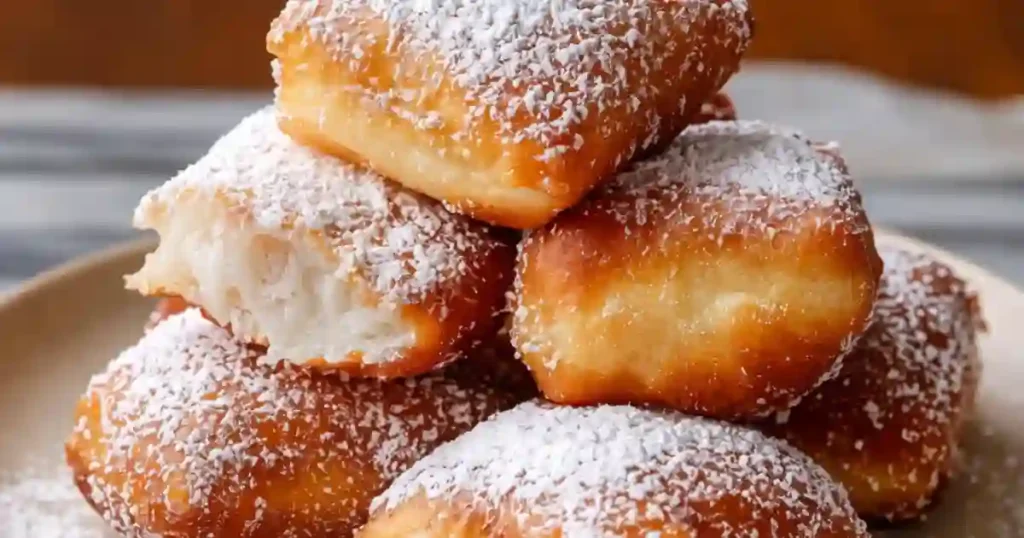
This vanilla French beignets recipe is for anyone who loves bakery style pastries but wants to recreate that experience at home without stress. These beignets are soft, pillowy, lightly crisp on the outside, and gently flavored with vanilla so they taste rich without being overly sweet. They are the kind of treat that feels special but still realistic to make in a normal kitchen.
Beignets have a reputation for being complicated. Yeast dough, hot oil, proofing time. It sounds intimidating, and honestly, some recipes make it harder than it needs to be. This version focuses on clarity and balance. The dough is forgiving, the steps are straightforward, and the result is a batch of homemade vanilla French beignets that actually feels worth the effort.
If you have ever ended up with dense beignets, greasy centers, or bland flavor, this recipe addresses those exact issues. Vanilla is used intentionally, not as an afterthought, and the frying process is explained so you know what to look for instead of guessing.
By the end, you will know how to make classic French beignets at home that are light, aromatic, and perfect for breakfast, brunch, or a cozy dessert moment.

Vanilla French Beignets

Ingredients
Beignet Dough
- 2 1/4 tsp active dry yeast
- 3/4 cup warm milk about 110°F
- 1/4 cup granulated sugar
- 1 large egg, room temperature
- 2 tbsp unsalted butter, melted and cooled
- 1 tbsp pure vanilla extract
- 3 cups all-purpose flour
- 1/4 tsp salt
For Frying and Serving
- neutral frying oil vegetable, canola, or peanut oil
- powdered sugar for dusting
Instructions
- In a small bowl, combine warm milk, yeast, and 1 tablespoon of sugar. Stir gently and let sit for 5–10 minutes until foamy.
- In a large bowl, whisk together remaining sugar, egg, melted butter, and vanilla extract. Add the yeast mixture once activated.
- Gradually mix in flour and salt until a soft, slightly sticky dough forms.
- Turn dough onto a lightly floured surface and knead for 5–7 minutes until smooth and elastic.
- Place dough in a greased bowl, cover, and let rise in a warm place for 1–1½ hours until doubled in size.
- Punch down dough and roll out to about ½-inch thickness. Cut into squares or rectangles.
- Heat oil to 350°F (175°C). Fry beignets in small batches for 1–2 minutes per side until golden brown.
- Remove with a slotted spoon, drain on paper towels, and dust generously with powdered sugar while warm.
Notes
Table of Contents
Table of Contents
Why You’ll Love Vanilla French Beignets Recipe
- Quick and easy to follow, even if you are new to yeast dough
- Simple ingredients you probably already have at home
- Soft, fluffy centers with lightly crisp edges every time
- Perfect for brunch, holidays, or a cozy weekend treat
- A true crowd pleaser that feels special without being fussy
What sets this recipe apart is the balance. The vanilla flavor is warm and subtle, not overpowering, and the dough is designed to be forgiving. These beignets deliver comfort and nostalgia while still feeling impressive when you serve them fresh and dusted with powdered sugar.
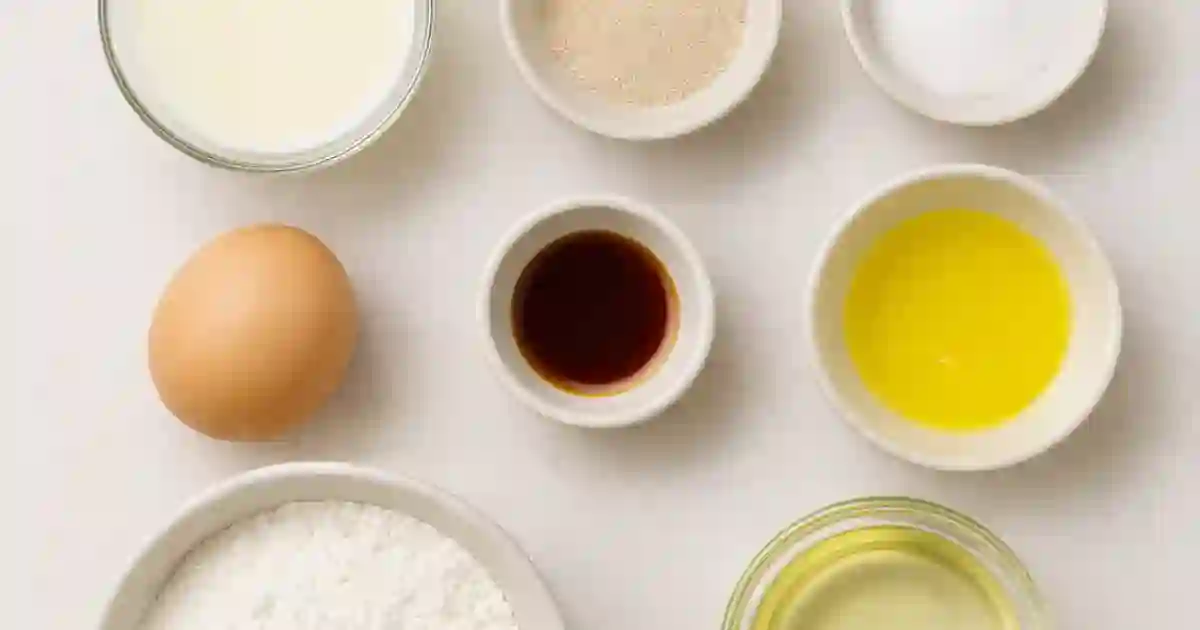
Ingredients for Vanilla French Beignets
Using simple, good quality ingredients makes a noticeable difference with beignets. Because the recipe is minimal, every ingredient matters.
Beignet Dough Ingredients
- 2 and 1 quarter teaspoons active dry yeast
- 3 quarters cup warm milk, about 110°F
- 1 quarter cup granulated sugar
- 1 large egg, room temperature
- 2 tablespoons unsalted butter, melted and slightly cooled
- 1 tablespoon pure vanilla extract
- 3 cups all purpose flour
- 1 quarter teaspoon salt
For Frying and Serving
- Vegetable oil or neutral frying oil
- Powdered sugar for dusting
How to Make Vanilla French Beignets
Step by Step Instructions
- In a small bowl, combine the warm milk, yeast, and one tablespoon of sugar. Stir gently and let it sit for 5 to 10 minutes until foamy. This step confirms the yeast is active.
- In a large mixing bowl, whisk together the remaining sugar, egg, melted butter, and vanilla extract. Add the yeast mixture once it is foamy.
- Gradually add the flour and salt, mixing until a soft dough forms. The dough should be slightly sticky but manageable.
- Transfer the dough to a lightly floured surface and knead for about 5 to 7 minutes until smooth and elastic. If the dough sticks too much, add flour one tablespoon at a time.
- Place the dough in a lightly greased bowl, cover, and let it rise in a warm place for about 1 to 1 and a half hours, or until doubled in size.
- Once risen, punch down the dough and roll it out to about half inch thickness. Cut into squares or rectangles using a knife or pizza cutter.
- Heat oil in a deep pot to 350°F. Fry the beignets in small batches, turning once, until golden brown on both sides. This usually takes about 1 to 2 minutes per side.
- Remove and drain on paper towels. Dust generously with powdered sugar while still warm.
Tips for Light and Fluffy Beignets
Making perfect homemade French beignets is less about precision and more about awareness. These tips help avoid common mistakes.
- Do not overheat the oil. If the oil is too hot, the outside browns before the inside cooks.
- Do not overcrowd the pot. This drops the oil temperature and causes greasy beignets.
- Slightly sticky dough is better than dry dough. Dry dough leads to dense texture.
- Dust with powdered sugar just before serving for the best look and flavor.
Common Question: Why Are My Beignets Dense?
Dense beignets usually mean the dough did not rise enough or too much flour was added. Yeast needs warmth and time. If your kitchen is cool, let the dough rise longer.
Vanilla Flavor and Why It Matters
Vanilla is often treated as background flavor, but in this vanilla French beignets recipe, it plays a quiet but important role. It adds warmth and depth without turning the beignets into dessert donuts.
Using real vanilla extract instead of imitation gives a rounder aroma that pairs well with powdered sugar. It also balances the richness of frying oil, making the beignets taste lighter than they actually are.
If you are tempted to add more vanilla, resist going too far. Too much vanilla can overpower the dough and make the flavor feel artificial.
Serving Suggestions
These French vanilla beignets are best served warm, fresh from the fryer, but there are a few ways to elevate them:
- Serve with coffee or cafe au lait for a classic pairing
- Add fruit preserves or chocolate sauce on the side
- Serve alongside fresh berries for balance
They are ideal for brunch spreads, holiday mornings, or casual entertaining where you want something impressive but familiar.
Storage and Reheating
Beignets are best eaten the same day, but leftovers can be stored.
- Store at room temperature for up to 24 hours in an airtight container
- Reheat briefly in a warm oven to refresh texture
- Avoid microwaving, which makes them chewy
Powdered sugar should always be added after reheating, not before storage.
Helpful Notes
- Let the dough rise fully for the lightest texture
- Keep oil temperature steady to avoid greasy results
- Serve warm for the best flavor and softness
- A light dusting of sugar just before serving makes a big difference
Frequently Asked Questions
Can I Make Beignet Dough Ahead of Time?
Yes. You can refrigerate the dough after the first rise for up to 24 hours. Let it come to room temperature before rolling and frying.
Can I Bake Beignets Instead of Frying?
Baking changes the texture significantly. They will be bread like rather than airy and crisp. Frying is recommended for authentic French beignets.
What Oil Is Best for Frying Beignets?
Neutral oils like vegetable, canola, or peanut oil work best. They handle high heat without affecting flavor.
What is the secret to making beignets?
The real secret to making great beignets is proper dough fermentation and oil temperature control. The dough needs enough time to rise so it becomes light and airy, not dense. Rushing this step is the most common mistake. Equally important is frying at the right temperature, ideally around 350°F. If the oil is too hot, the outside browns too fast. If it is too cool, the beignets absorb oil and turn greasy. Soft dough, full rise, steady heat, and gentle handling make all the difference.
What are the three ingredient beignets?
Three ingredient beignets are a simplified version, usually made with:
Self rising flour
Greek yogurt or heavy cream
Oil for frying
These versions are quick and convenient, but they do not have the same airy texture or depth of flavor as traditional yeast based French beignets. They are best thought of as a shortcut treat rather than an authentic beignet.
What are the four types of pastry dough?
The four main types of pastry dough used in baking are:
Shortcrust pastry, used for pies and tarts
Puff pastry, known for flaky layers created by butter folding
Choux pastry, used for cream puffs and eclairs
Filo pastry, very thin sheets used in layered desserts
Beignets do not fall into these categories, as they are made from yeast dough rather than classic pastry dough.
Nutrition Information
Nutrition will vary based on size and frying oil, but on average, one beignet contains:
- Calories: approximately 180
- Fat: moderate due to frying
- Sugar: low to moderate
Enjoy them as an occasional treat rather than an everyday breakfast.
Conclusion
This vanilla French beignets recipe proves that classic pastries do not have to feel intimidating. With simple ingredients, a forgiving dough, and a clear frying process, you can create light, fluffy beignets that taste like they came from a bakery.
If you have ever wanted to try making French beignets at home but hesitated, this is the recipe to start with. Warm, aromatic, and dusted with powdered sugar, they deliver comfort in the most satisfying way.
For delicious and easy recipes, follow me on my Facebook and Pinterest
